National flags
Current flags representing sovereign states. These records emphasize legal status, official proportions, construction schedules, and government color guidance.
| Flag | Record | Category | Proportions | Reference |
|---|---|---|---|---|
 | AlbaniaAL-NAT-2002 | National | 5:7 (hoist:fly) | View record → |
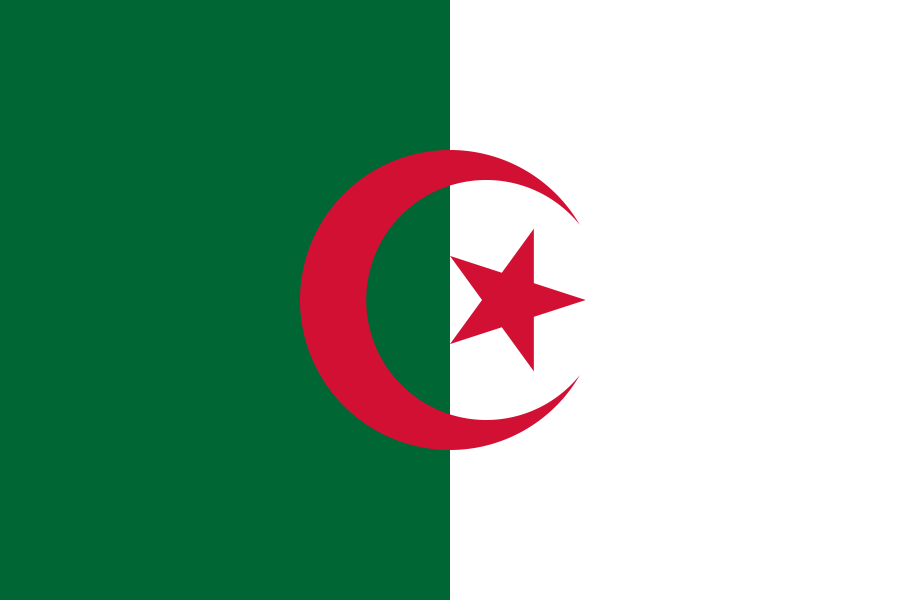 | AlgeriaDZ-NAT-1963 | National | 2:3 (hoist : fly) | View record → |
 | Antigua and BarbudaAG-NAT-1967 | National | 2:3 — reference proportion | View record → |
 | ArgentinaAR-NAT-1818 | National | 5:8 / standardized proportions | View record → |
 | ArmeniaAM-NAT-1990 | National | 1:2 (hoist : fly) | View record → |
 | AustraliaAU-NAT-1901 | National | 1:2 (hoist:fly) | View record → |
 | AustriaAT-NAT-1945 | National | 2:3 common display form; plain-flag ratio not fixed by the cited acts | View record → |
 | AzerbaijanAZ-NAT-1991 | National | 1:2 | View record → |
 | BahrainBH-NAT-2002 | National | 3:5 (hoist:fly) | View record → |
 | BangladeshBD-NAT-1972 | National | 3:5 (hoist : fly) | View record → |
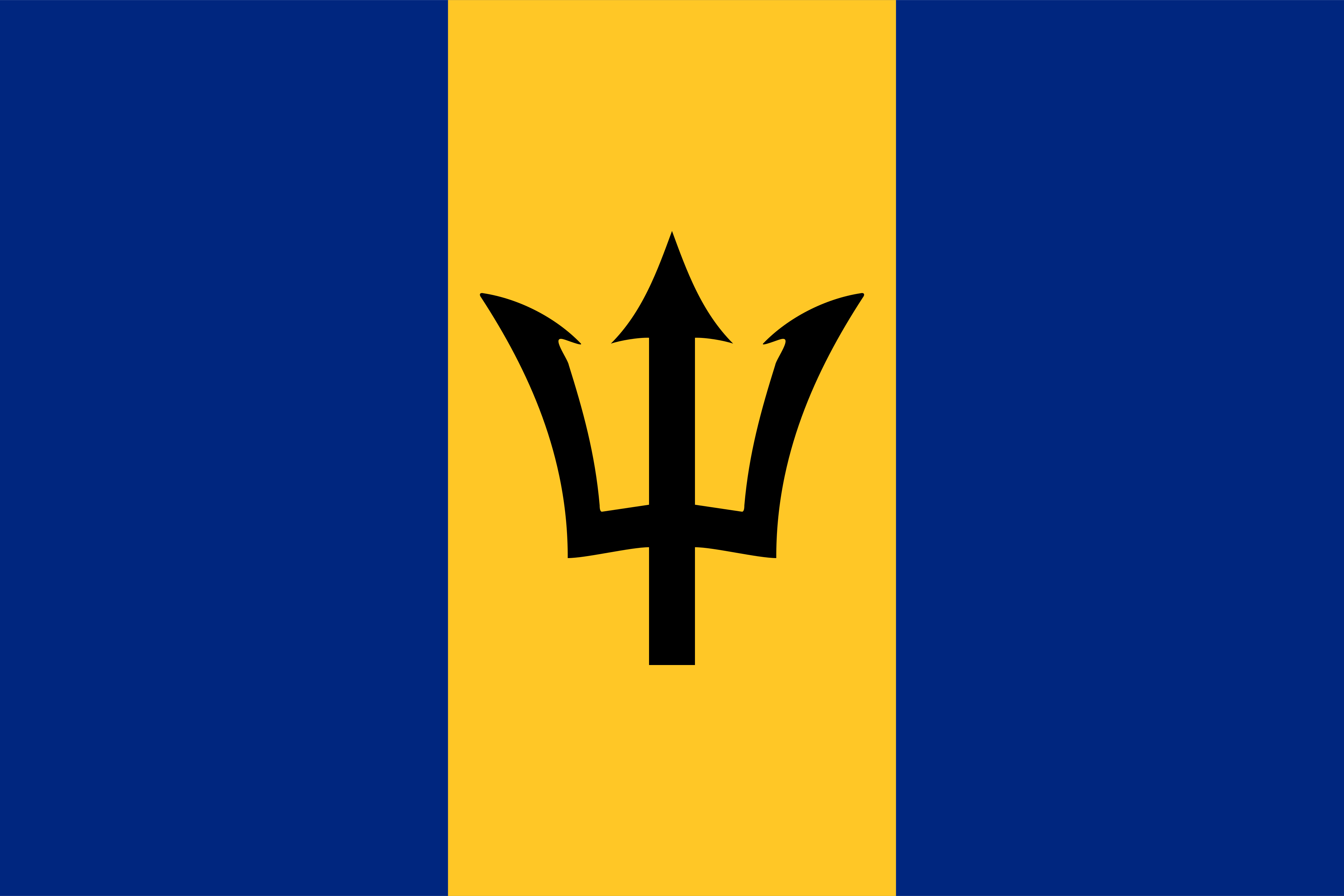 | BarbadosBB-NAT-1966 | National | 2:3 (hoist : fly) | View record → |
 | BelgiumBE-NAT-1831 | National | 13:15 (traditional; proportions vary in everyday use) | View record → |
 | BelizeBZ-NAT-1981 | National | 3:5 (hoist:fly; modern form represented by this record); older 2:3 renderings are documented historical or variant specimens. | View record → |
 | BhutanBT-NAT-1972 | National | 2:3 (hoist:fly; statutory) | View record → |
 | BoliviaBO-NAT-1851 | National | Hoist:fly 15:22 under Supreme Decree 241, article 8, as used for this specimen; 2:3 for the institutional dimensions in article 9(III). The provisions differ; no verified correction resolving their relationship was located. | View record → |
 | Bosnia and HerzegovinaBA-NAT-1998 | National | 1:2 (hoist:fly) | View record → |
 | BotswanaBW-NAT-1966 | National | 2:3 (reference construction) | View record → |
 | BrazilBR-NAT-1992 | National | 7:10 (hoist:fly) | View record → |
 | BulgariaBG-NAT-1990 | National | 3:5 standard | View record → |
 | CambodiaKH-NAT-1993 | National | 2:3 hoist-to-fly under embassy protocol guidance, reviewed through FOTW’s attributed transcription; not measurements transcribed from the constitutional annex. | View record → |
 | CameroonCM-NAT-1975 | National | 2:3 / reference; decree reported | View record → |
 | CanadaCA-NAT-1965 | National | 1:2 (hoist:fly) | View record → |
 | ChileCL-NAT-1817 | National | 2:3 (hoist:fly) | View record → |
 | ChinaCN-NAT-1949 | National | 2:3 (hoist : fly) | View record → |
 | ColombiaCO-NAT-1861 | National | 2:3 hoist:fly — reference format; band heights 2:1:1 | View record → |
 | Costa RicaCR-NAT-1848 | National | 3:5 (hoist:fly; statutory) | View record → |
 | CroatiaHR-NAT-1990 | National | 1:2 (hoist:fly) | View record → |
 | CubaCU-NAT-1869 | National | 1:2 (hoist:fly) | View record → |
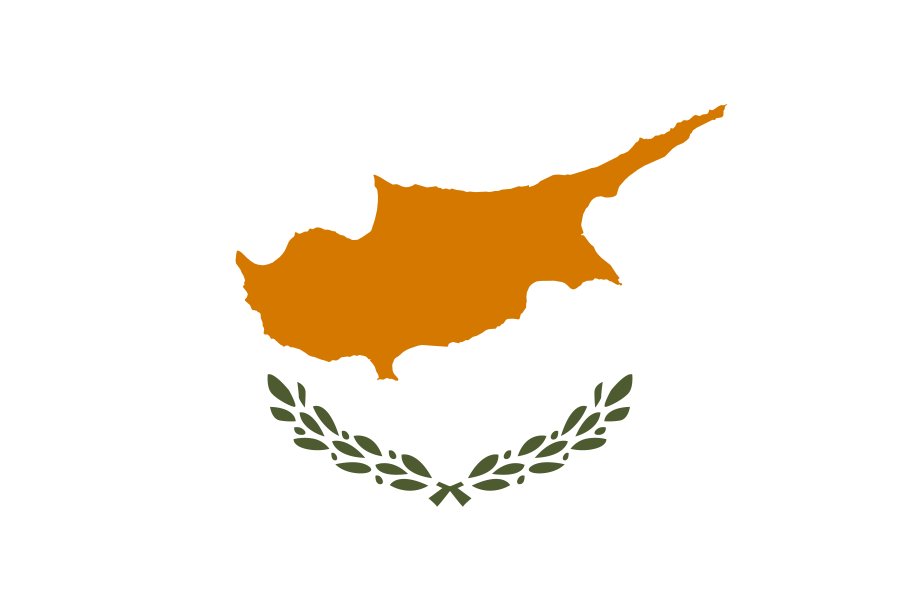 | CyprusCY-NAT-2006 | National | 2:3 (hoist : fly) | View record → |
 | CzechiaCZ-NAT-1993 | National | 2:3 (height:length) | View record → |
 | DenmarkDK-NAT-1854 | National | 28:37 — rectangular stutflag | View record → |
 | Dominican RepublicDO-NAT-1844 | National | 2:3 reference / statutory sizes differ slightly | View record → |
 | EcuadorEC-NAT-1900 | National | 2:3 / November 2009 guidance | View record → |
 | EgyptEG-NAT-1984 | National | 2:3 (hoist:fly) | View record → |
 | El SalvadorSV-NAT-1912 | National | 189:335 hoist:fly — magna form statutory dimensions; other official forms have their own proportions | View record → |
 | EstoniaEE-NAT-1918 | National | 7:11 (hoist:fly) | View record → |
 | EthiopiaET-NAT-2009 | National | 1:2 (hoist:fly) | View record → |
 | FijiFJ-NAT-1970 | National | 1:2 — reference proportions | View record → |
 | FinlandFI-NAT-1918 | National | 11:18 (hoist:fly) | View record → |
 | FranceFR-NAT-1794 | National | Common civil representation: 2:3; ratio varies by use | View record → |
 | GeorgiaGE-NAT-2004 | National | 2:3 (hoist:fly) | View record → |
 | GermanyDE-NAT-1949 | National | 3:5 (height to length; three equal horizontal bands) | View record → |
 | GhanaGH-NAT-1966 | National | 2:3 (vexillological reference) | View record → |
 | GreeceGR-NAT-1978 | National | 2:3 (height:width) | View record → |
 | GrenadaGD-NAT-1974 | National | 3:5 on land; government guidance gives 1:2 at sea. The displayed land specimen is not a verified sea construction. | View record → |
 | GuatemalaGT-NAT-1871 | National | 5:8 (hoist:fly) | View record → |
 | GuyanaGY-NAT-1966 | National | 3:5 on land; 1:2 at sea | View record → |
 | HaitiHT-NAT-1986 | National | 3:5 reference; not stated in Article 3 | View record → |
 | HondurasHN-NAT-1866 | National | 1:2 (hoist : fly) | View record → |
 | HungaryHU-NAT-1957 | National | 1:2 hoist to fly for public-building display; no overall ratio specified in the Constitution | View record → |
 | IcelandIS-NAT-1944 | National | 18:25 (hoist:fly; rectangular general national form) | View record → |
 | IndiaIN-NAT-1947 | National | 2:3 (hoist:fly) | View record → |
 | IndonesiaID-NAT-1945 | National | 2:3 (hoist:fly) | View record → |
 | IrelandIE-NAT-1937 | National | 1:2 (height:length) | View record → |
 | ItalyIT-NAT-1946 | National | 2:3 (common national presentation) | View record → |
 | JamaicaJM-NAT-1962 | National | 1:2 (hoist:fly) | View record → |
 | JapanJP-NAT-1999 | National | 2:3 (hoist:fly) | View record → |
 | JordanJO-NAT-1928 | National | 1:2 (hoist:fly) | View record → |
 | KazakhstanKZ-NAT-1992 | National | 1:2 (hoist : fly, statutory) | View record → |
 | KenyaKE-NAT-1963 | National | 2:3 (hoist:fly) | View record → |
 | LaosLA-NAT-1975 | National | 2:3 (hoist : fly) | View record → |
 | LatviaLV-NAT-1921 | National | 1:2 (height:width) | View record → |
 | LebanonLB-NAT-1943 | National | 2:3 customary (hoist:fly) | View record → |
 | LithuaniaLT-NAT-2004 | National | 3:5 (hoist:fly) | View record → |
 | LuxembourgLU-NAT-1972 | National | 3:5 or 1:2 (hoist:fly; both legally permitted) | View record → |
 | MadagascarMG-NAT-1958 | National | 2:3 (reference construction) | View record → |
 | MalaysiaMY-NAT-1963 | National | 1:2 (hoist:fly) | View record → |
 | MaldivesMV-NAT-1965 | National | 2:3 (hoist:fly) | View record → |
 | MaltaMT-NAT-1964 | National | 2:3 (hoist:fly) | View record → |
 | MauritiusMU-NAT-1968 | National | 2:3 (hoist:fly) | View record → |
 | MexicoMX-NAT-1968 | National | 4:7 (hoist:fly) | View record → |
 | MoldovaMD-NAT-1990 | National | 1:2 (hoist : fly) | View record → |
 | MongoliaMN-NAT-1992 | National | 1:2 (hoist:fly; constitutional) | View record → |
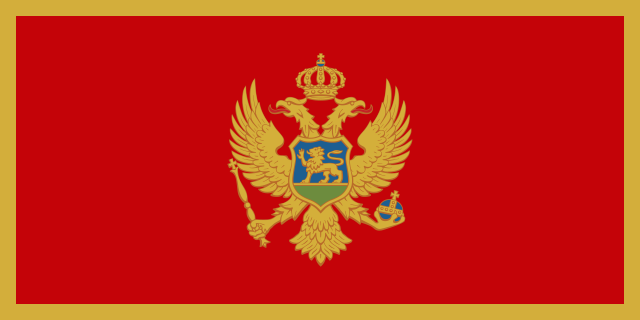 | MontenegroME-NAT-2004 | National | 1:2 (hoist:fly) | View record → |
 | MoroccoMA-NAT-1915 | National | 2:3 (hoist:fly) | View record → |
 | NamibiaNA-NAT-1990 | National | 2:3 (hoist:fly; constitutional specification) | View record → |
 | NepalNP-NAT-1962 | National | Double pennant defined by geometric construction; approximate hoist:fly 1.219:1, as listed in the imported record. This rounded ratio does not replace the constitutional construction. | View record → |
 | NetherlandsNL-NAT-1937 | National | 2:3 (hoist:fly; Defence specification) | View record → |
 | New ZealandNZ-NAT-1902 | National | 1:2 (hoist : fly) | View record → |
 | NicaraguaNI-NAT-1908 | National | 3:5 (hoist:fly) | View record → |
 | NigeriaNG-NAT-1960 | National | 1:2 (hoist:fly) | View record → |
 | North MacedoniaMK-NAT-1995 | National | 1:2 (hoist:fly) | View record → |
 | NorwayNO-NAT-1821 | National | 16:22 (hoist:fly; national and merchant form shown) | View record → |
 | OmanOM-NAT-2004 | National | 1:2 shown; varies by display size | View record → |
 | PakistanPK-NAT-1947 | National | 2:3 (hoist:fly) | View record → |
 | PanamaPA-NAT-1925 | National | 2:3 (hoist:fly) | View record → |
 | Papua New GuineaPG-NAT-1971 | National | 3:4 (hoist:fly) | View record → |
 | ParaguayPY-NAT-2013 | National | Approximately 11:20 / decree target | View record → |
 | PeruPE-NAT-1950 | National | 2:3 (hoist:fly) | View record → |
 | PhilippinesPH-NAT-1998 | National | 1:2 (hoist:fly) | View record → |
 | PolandPL-NAT-1919 | National | 5:8 (hoist:fly) | View record → |
 | PortugalPT-NAT-1911 | National | 2:3 (height:length) | View record → |
 | QatarQA-NAT-1960 | National | 11:28 outdoors; 1:2 indoors (within Qatar) | View record → |
 | RomaniaRO-NAT-1991 | National | 2:3 (height:length) | View record → |
 | RwandaRW-NAT-2001 | National | 2:3 (hoist : fly) | View record → |
 | Saint LuciaLC-NAT-2002 | National | 1:2 | View record → |
 | SamoaWS-NAT-1949 | National | 1:2 (hoist:fly) | View record → |
 | Saudi ArabiaSA-NAT-1973 | National | 2:3 | View record → |
 | SenegalSN-NAT-1960 | National | 2:3 customary / reference | View record → |
 | SerbiaRS-NAT-2010 | National | 2:3 (hoist:fly) | View record → |
 | SeychellesSC-NAT-1996 | National | 1:2 (hoist : fly) | View record → |
 | SingaporeSG-NAT-1959 | National | 2:3 (hoist:fly) | View record → |
 | SlovakiaSK-NAT-1992 | National | 2:3 (hoist:fly) | View record → |
 | SloveniaSI-NAT-1991 | National | 1:2 (hoist:fly) | View record → |
 | South AfricaZA-NAT-1994 | National | 2:3 (height:length) | View record → |
 | South KoreaKR-NAT-1949 | National | Hoist : fly 2:3 | View record → |
 | SpainES-NAT-1981 | National | 2:3 (height:length) for the described normal flag | View record → |
 | Sri LankaLK-NAT-1972 | National | 1:2 (hoist:fly) | View record → |
 | SurinameSR-NAT-1975 | National | 2:3 | View record → |
 | SwedenSE-NAT-1906 | National | 10:16 (rectangular national form) | View record → |
 | SwitzerlandCH-NAT-1889 | National | 1:1 (square national flag) | View record → |
 | TanzaniaTZ-NAT-1964 | National | 2:3 (reference specification) | View record → |
 | ThailandTH-NAT-1917 | National | 2:3 (6:9 in the Act) | View record → |
 | The BahamasBS-NAT-1973 | National | 1:2 — reference proportion | View record → |
 | TongaTO-NAT-1875 | National | 1:2 reference proportion (hoist:fly) | View record → |
 | Trinidad and TobagoTT-NAT-1962 | National | 3:5 on land; 1:2 at sea | View record → |
 | TunisiaTN-NAT-1999 | National | 2:3 (hoist:fly) | View record → |
 | TurkeyTR-NAT-1983 | National | 2:3; sleeve treatment discussed in construction notes | View record → |
 | UgandaUG-NAT-1962 | National | 2:3 (reference proportions) | View record → |
 | UkraineUA-NAT-1992 | National | 2:3 (height:width) | View record → |
 | United Arab EmiratesAE-NAT-1971 | National | 1:2 (hoist : fly) | View record → |
 | United KingdomGB-NAT-1801 | National | 3:5 approved land form; 1:2 approved sea form; the 1801 proclamation prescribes no single ratio | View record → |
 | United StatesUS-NAT-1960 | National | 10:19 standard construction; authorized exceptions | View record → |
 | UruguayUY-NAT-1830 | National | 2:3 (hoist : fly) | View record → |
 | UzbekistanUZ-NAT-1991 | National | 1:2 (hoist:fly) | View record → |
 | VanuatuVU-NAT-1980 | National | 3:5 specimen; competing documented proportions remain unresolved. Flags of the World reports 19:36 and an older 11:18 reference; the Commons reconstruction author interprets the legal schedule as approximately 2:3. No authoritative ratio is established here. | View record → |
 | VenezuelaVE-NAT-2006 | National | 2:3 / reference format (hoist:fly), not a statutory ratio | View record → |
 | VietnamVN-NAT-1976 | National | 2:3 (hoist:fly) | View record → |
 | ZambiaZM-NAT-1996 | National | 2:3 hoist:fly, expressed as 3:2 fly:hoist in the cited statutory text. Detailed construction measurements are secondary transcriptions; the original government diagram was not directly inspected. | View record → |
 | ZimbabweZW-NAT-1980 | National | 1:2 (reference construction) | View record → |
Civic & regional flags
Flags of cities, provinces, states, cantons, territories, and other subnational governments. These records show how heraldic devices and historical events become civic geometry.
| Flag | Record | Category | Proportions | Reference |
|---|---|---|---|---|
 | AmsterdamNL-AMS-CIV-1975 | Civic | 2:3 (hoist:fly) | View record → |
 | Canton of ZürichCH-ZH-REG-1315 | Civic | 1:1 (square) | View record → |
 | ChicagoUS-CHI-CIV-1917 | Civic | 2:3 customary | View record → |
 | NagoyaJP-NGO-CIV-1907 | Civic | 2:3 (displayed specimen) | View record → |
 | OsakaJP-OSA-CIV-1894 | Civic | 2:3 (hoist:fly) | View record → |
 | PragueCZ-PRG-CIV-2004 | Civic | 2:3 shown in the cited rendering | View record → |
 | RotterdamNL-RTM-CIV-1949 | Civic | 2:3 (hoist:fly) | View record → |
 | St. LouisUS-STL-CIV-1964 | Civic | 5:8 in the reference rendering | View record → |
 | Washington, D.C.US-DC-CIV-1938 | Civic | Common ratio 1:2 | View record → |
Maritime & signal flags
Ensigns identify authority or nationality at sea; signal flags communicate defined messages. Records in this family always separate identity from operational meaning.
| Flag | Record | Category | Proportions | Reference |
|---|---|---|---|---|
 | Signal AlphaINT-ICS-A | Maritime | See record | View record → |
 | Signal BravoINT-ICS-B | Maritime | See record | View record → |
 | Signal CharlieINT-ICS-C | Maritime | See record | View record → |
Historical flags
Superseded designs with a precise period of use. Historical entries store both start and end dates so they cannot be mistaken for current flags.
| Flag | Record | Category | Proportions | Reference |
|---|---|---|---|---|
 | United States, 15-starUS-HIST-15-1795 | Historical | Not prescribed | View record → |
 | United States, 48-starUS-HIST-48-1912 | Historical | 10:19 government standard | View record → |
 | United States, 49-starUS-HIST-49-1959 | Historical | 10:19 government standard (hoist:fly) | View record → |
Reading category descriptions
Category descriptions provide an overview. Consult each individual record’s status, qualified period of use, proportions and citations before drawing conclusions about a particular flag. Read dates and ratios together with their qualifications; a category label alone does not establish current use or an official specification.
The historical introduction’s reference to precise start and end dates should not be read as a guarantee for every entry. Records describe the period of use in free text, rather than requiring separate start and end dates. Date precision depends on the available evidence: retain approximate dates, ranges and uncertainty wherever stated, and do not infer exact boundaries when they are undocumented.
Frequently Asked Questions
How do I distinguish official specifications from customary manufacture?
Check the record’s citations and the scope of the cited evidence. Treat a proportion, construction detail or color requirement as official only where the record supports that attribution. A detail described as customary manufacture or common practice should retain that qualification; do not assume it is an official requirement or applies to every version.
Does the displayed artwork certify the flag’s construction and colors?
Do not treat displayed artwork as a certified manufacturing specification. Read its caption and provenance alongside the record’s citations. Screen approximations, rounded coordinates and unverified construction details retain those limitations even when other parts of the design have been checked. A screen color value alone does not establish a physical color standard.
Where should I check artwork provenance and specification limits?
Consult the individual record and Flag Asset Sources. Read credits, source history and licensing information separately from statements about specification accuracy. Attribution or permission to reuse artwork does not by itself establish that its geometry or colors have official approval.